
By: Raihanah Reduan
Daily scrolls on social media that last hours
Constantly consuming media filled with influencers and idols.
Surroundings constantly point out your appearance.
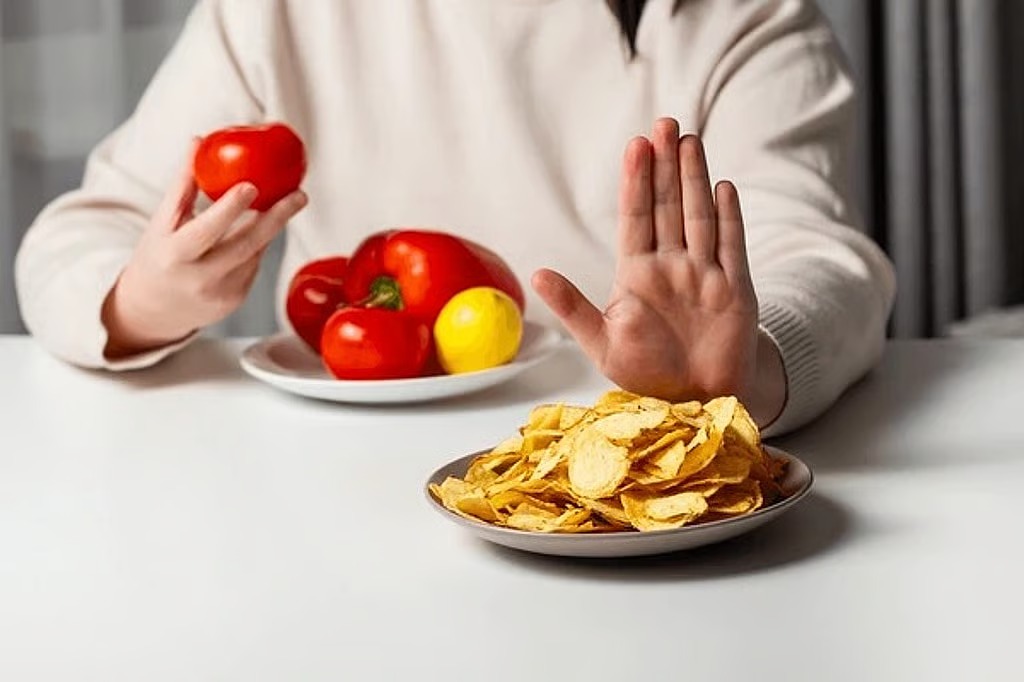
These are some of the factors that drive the practice of extreme dieting, a type of diet that goes to extreme lengths to lose weight quickly by severely restricting calories.
People would go on drastic measures, from a liquid diet, a detox diet, carb elimination diets, and also the most commonly practiced, One Meal A Day (OMAD) diet.
Victim’s Experiences
A victim who did the OMAD diet shared his satisfaction with the results, but there are consequences to bear in mind when doing this.
“I believe extreme dieting is a trend nowadays because of social media that posts nearly unattainable body images.
“My body was ripped, I had 6 pack abs, I went from 90kg to 77kg in just a span of 3 months,”
He said that although he is satisfied, he would not do it again, as it is unhealthy.
“It is true the progress was fast, I’d lose 2 kg in a week, but there are side effects that come with it. I faced energy loss, gastric issues, and occasional sharp pain in my stomach, which is a very unpleasant feeling, but eventually I got used to it back then.”
Another victim of an extreme diet also resonates with his experiences
“I started to do a diet where I eliminated carbohydrates, sweets, and snacks to lose weight fast.”
The way of severely restricting calories became part of her daily routine, fuelled by the desire to fit a certain beauty ideal
“I did it because I see everyone skinny around me looks so pretty, like how clothes fit perfectly to their body shape, and how they look.”
However, the adornment didn’t last long, as things took a turn for the worse for her.
“I had classes that lasted from morning to evening, with such little food intake, I noticed I became lightheaded, my vision blurry, and suddenly I fainted, and my friends called an ambulance.”
Health Experts Response
Psychiatrist Dr Kee Pau explains that the factors contributing to this issue are due to the individual’s low self-esteem, leading them to constantly compare themselves to others and be self-conscious.
She shared that she had an extreme diet patient before who struggled to recover.
“There would be boys laughing at class, and she thinks they laugh at her for being fat, when they are not referring to her at all, ” she said
This shows how such low self-esteem can have a huge impact to the point one would use extreme measures to change their appearance quickly for others’ validation, displaying their desperate need for social validation rather than health.
“Victims would rely on compliments like ‘you look skinny!’ or ‘I like your outfit” despite their deteriorating health,” Kee Pau added.
The daily routine of an extreme diet will also develop a fear for food, because of the fear of gaining weight.
“My patient can’t even eat solid food; she would vomit, as she always solely relies on a liquid diet.”
The psychiatrist then added how important it is to be mindful in doing diets, do it the healthy way instead of the harmful one, as the process of extreme diet and recovery may take a lot of effort and pain
The psychiatrist emphasised the importance of approaching dieting mindfully, urging individuals to prioritise healthy and sustainable methods over harmful extremes.
She noted that while extreme dieting may promise quick results, the physical and emotional toll, along with the long and often painful recovery process, can outweigh any short-term gains.